
The Evolution of Commodity Trading in Modern Markets
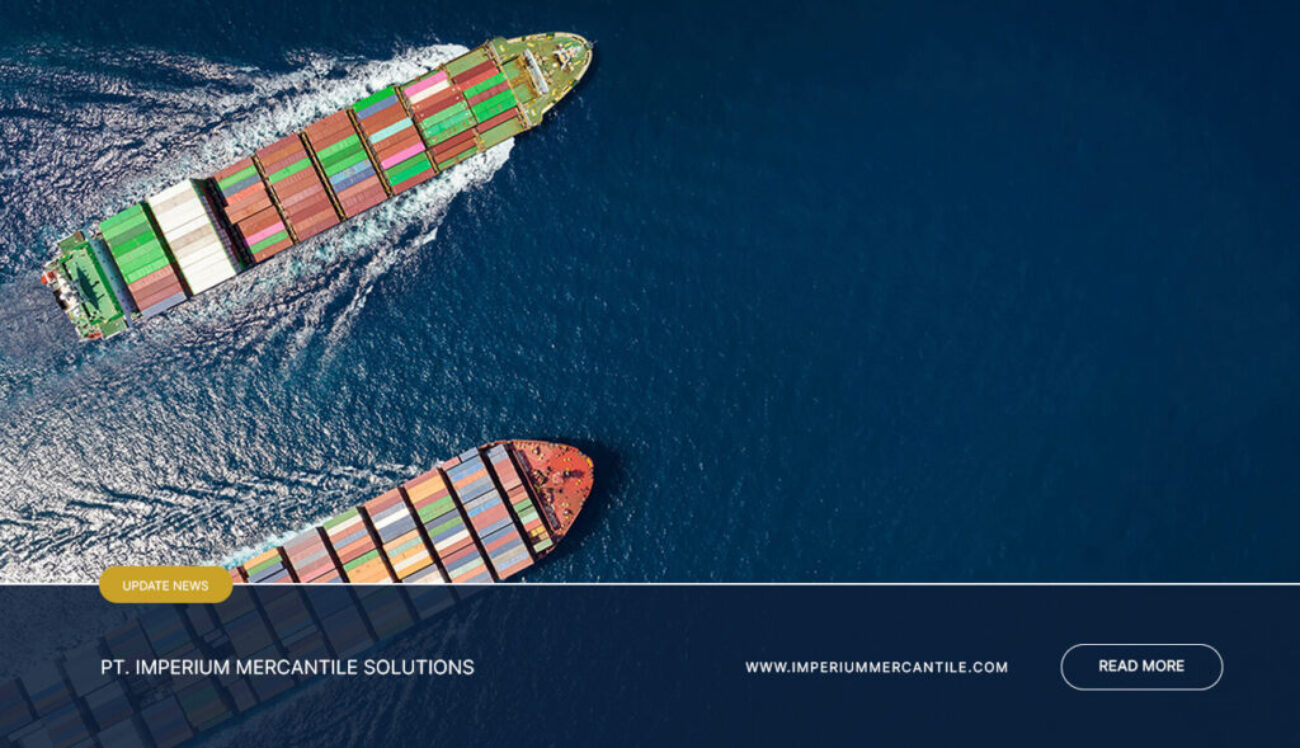
Commodity trading has evolved significantly as global markets become more connected, complex, and technology-driven. What was once primarily focused on the exchange of physical goods has transformed into a sophisticated commercial ecosystem involving global sourcing, strategic partnerships, supply chain management, and international market coordination. Today, commodity trading plays a critical role in connecting producers, suppliers, manufacturers, and industries across different regions.
The growth of global industries has increased demand for essential commodities including energy products, minerals, metals, agricultural resources, and industrial raw materials. Businesses require reliable access to these resources to maintain production, support infrastructure development, and strengthen operational performance. As market conditions continue to change, companies increasingly rely on experienced commercial partners who can identify opportunities and manage complex international transactions.
Modern commodity trading is no longer limited to buying and selling products. It involves understanding market trends, evaluating supplier capabilities, managing logistics networks, and creating efficient procurement strategies. Successful trading requires strong relationships, market intelligence, and the ability to navigate global challenges such as supply chain disruptions, regulatory changes, and shifting demand patterns.
Technology and data-driven decision-making have also transformed the way commodity markets operate. Businesses now use advanced market insights, digital platforms, and global communication networks to improve transparency, efficiency, and speed. These developments enable companies to make better commercial decisions and build more resilient supply chains across international markets.
Strategic partnerships have become a key factor in modern commodity trading success. Companies need reliable connections with producers, exporters, logistics providers, investors, and industrial stakeholders to create sustainable business opportunities. IMS supports this evolving market by providing global sourcing capabilities, commercial facilitation, and strategic connections that help businesses access opportunities across multiple industries.
As global commerce continues to evolve, commodity trading will remain a fundamental driver of economic growth and industrial development. The future of trading depends on adaptability, collaboration, and the ability to create value beyond transactions. Through integrated commercial solutions and international networks, IMS helps businesses navigate modern commodity markets and build long-term opportunities in the global economy.